Read about my own personal Journey
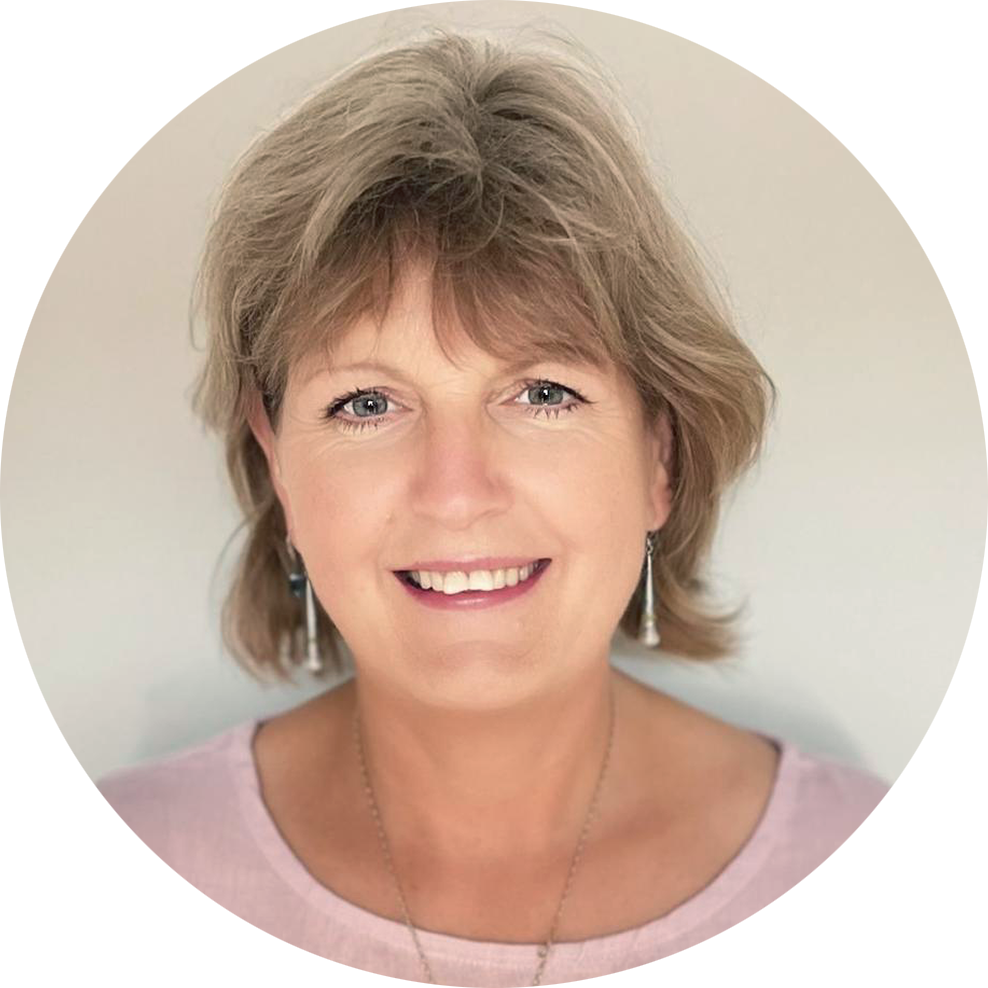
My path into psychology hasn’t been a straightforward one. I was born to expatriate parents and spent much of my childhood in a boarding school environment from the age of nine. Looking back, this was a formative experience – one that shaped my independence, but also my understanding of how we adapt, cope, and make sense of ourselves in different environments
It wasn’t until university that I began to experience a real sense of freedom and the ability to make choices for myself. That period marked the beginning of a more conscious relationship with who I was, and how I wanted to live.
Before training as a psychologist, I had an established career in financial services and recruitment. In my early 40s, I made the decision to change direction – a significant and, at times, uncertain step, but one that felt deeply aligned with my values.
Returning to university later in life (including a year living in student halls) was both challenging and rewarding. I went on to complete an MSc. in Forensic Psychology, alongside consultancy work, and later had research from my dissertation published.
I was fortunate to begin my clinical work in a setting that valued experience and perspective, even where I hadn’t followed a conventional path.
Alongside my professional training, I bring my own experience of navigating life’s challenges. Like many people, I have encountered periods of difficulty, loss, and experiences that required time, reflection, and therapeutic support to understand and integrate.
This ongoing process has deepened not only my self-awareness, but also my capacity to sit alongside others in a way that is grounded, compassionate, and non-judgemental.
I don’t see therapy as something done to you, but something we engage in together. My own journey means I understand, on a personal level, how complex it can be to make sense of yourself – particularly when parts of your experience feel difficult to access, hold, or articulate. It also means I hold a strong belief in people’s capacity to change, even when things feel stuck.
Qualifications
Graduate Diploma in Psychology – Distinction
MSc. Forensic Psychology – Distinction
Enhanced DBS checked – for adults and children
Publications:
Television:
Killers Caught on Camera Season 3, Episode 3